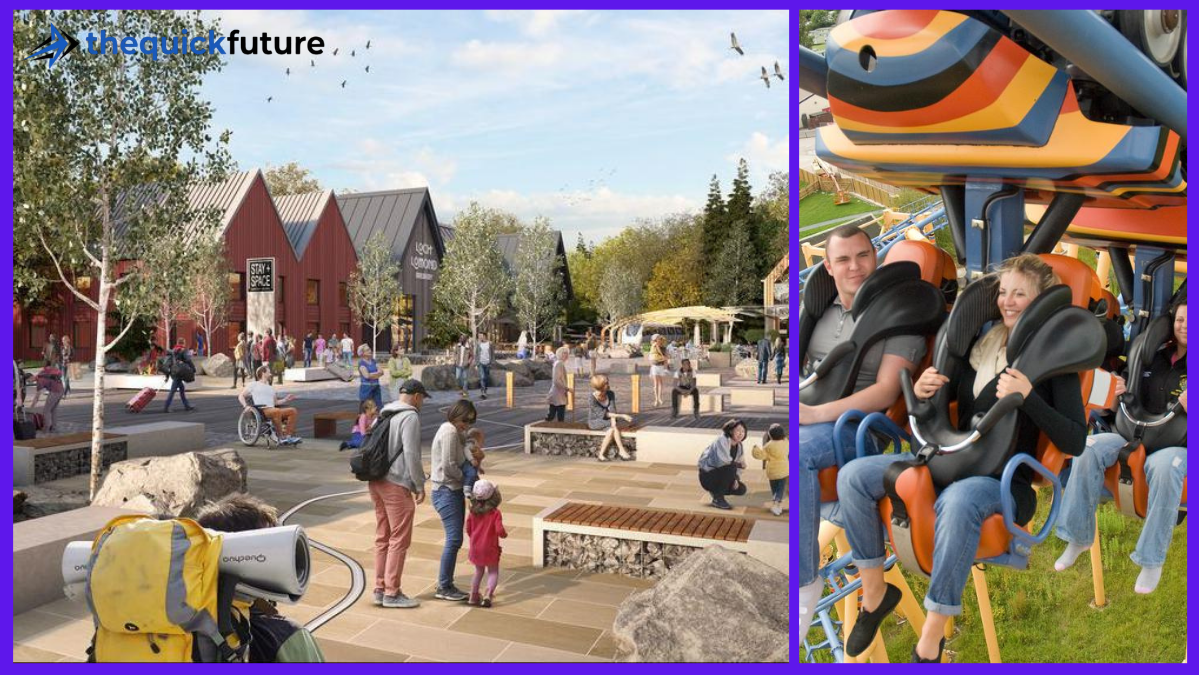
When people search for Flamingo Land Loch Lomond, they are usually looking for information about one of Scotland’s most controversial tourism development proposals. The project, widely known as Lomond Banks, involves plans connected with land at West Riverside and Woodbank House in Balloch, on the southern edge of Loch Lomond. Over several years, the proposal has generated intense debate involving developers, local residents, environmental campaigners, the Loch Lomond and The Trossachs National Park Authority, and the Scottish Government.
The story has also changed significantly over time. The original planning application was refused by the National Park Authority, followed by an appeal and further government-level consideration. In February 2026, Scottish Ministers dismissed the appeal, meaning that the National Park Authority’s refusal of planning permission in principle remained in place. The applicant subsequently lodged a legal challenge, showing that the future of the site and the wider Flamingo Land Loch Lomond story may continue to develop.
What Is Flamingo Land Loch Lomond?
Flamingo Land Loch Lomond refers to Flamingo Land’s long-running involvement with proposals for a major tourism and leisure development in Balloch. Flamingo Land is best known for its leisure and holiday attractions, but the Loch Lomond proposal has been presented differently from a conventional theme park development.
The project has been promoted under the name Lomond Banks, with the developer describing the concept as a waterfront family tourism destination intended to reflect the natural surroundings of the area. The plans have been associated with a significant investment proposal and the potential creation of jobs, while supporters have argued that development could bring economic activity and additional visitors to Balloch.
However, the development has also become highly controversial because of the location and the scale of the proposed tourism infrastructure. For many people, the debate is not simply about whether a new visitor attraction could benefit the local economy. It is also about how development should take place within and around one of Scotland’s best-known landscapes.
Where Is the Proposed Development Located?
The Flamingo Land Loch Lomond proposal is connected with land at West Riverside and Woodbank House in Balloch, close to Loch Lomond and within the area administered by the Loch Lomond and The Trossachs National Park Authority.
Balloch is an important gateway to Loch Lomond and already attracts visitors because of its access to the loch, outdoor recreation and surrounding scenery. This makes the location attractive for tourism investment, but it also means that proposals for major development can face close scrutiny.
The future of the site has therefore become a significant planning and community issue. Questions have been raised about the appropriate type of development, the protection of the landscape and whether alternative approaches to the site’s future could better serve local residents and the wider area.
What Did the Lomond Banks Proposal Include?
The Flamingo Land Loch Lomond plans have evolved over time. The developer has described the revised Lomond Banks concept as an accommodation-led waterfront tourism destination rather than simply another version of its existing theme park business.
Official planning and appeal records categorised the proposed development as involving tourism and leisure uses, accommodation, caravan and campsite elements, restaurant or café and licensed premises, landscaping and related infrastructure. The wider public debate has focused on the scale and potential impact of the proposed development on Balloch and the Loch Lomond area.
According to the project’s promotional information, the development was associated with a proposed £40 million investment and the potential creation of more than 200 full-time, part-time and seasonal jobs. Supporters of the project have argued that these benefits could provide an important boost to tourism and employment.
Why Was Flamingo Land Loch Lomond So Controversial?
The controversy surrounding Flamingo Land Loch Lomond reflects the competing priorities involved in major developments near protected and highly valued natural landscapes.
Supporters have highlighted potential economic investment, employment opportunities and increased tourism. From this perspective, a major visitor development could create new reasons for tourists to spend time and money in Balloch and the surrounding area.
Opponents, meanwhile, have raised concerns about the scale of development and its possible effect on the landscape, local environment, infrastructure and character of the area. The proposal attracted substantial public attention, with community groups and campaigners becoming heavily involved in the planning debate.
Because Loch Lomond is internationally recognisable as one of Scotland’s most important visitor destinations, decisions about development in the area attract attention far beyond the immediate local community.
Why Did the National Park Authority Refuse the Plans?
In September 2024, the Loch Lomond and The Trossachs National Park Authority refused planning permission in principle for the proposed development.
The refusal became a major turning point in the Flamingo Land Loch Lomond story. Rather than bringing the project to an immediate end, however, the decision led to an appeal by Flamingo Land through Scotland’s planning appeals system. The appeal was received by the Scottish Government’s Planning and Environmental Appeals Division in December 2024.
This meant that the planning dispute moved beyond the initial National Park Authority decision and entered a further period of examination.
What Happened During the Flamingo Land Appeal?
The appeal process became complicated and generated several important developments.
In May 2025, an independent reporter indicated that they were minded to allow the appeal and grant planning permission in principle, subject to a legal agreement being secured. At that stage, it appeared possible that the original refusal could be overturned.
However, the case later became subject to national-level consideration. The final position changed again, and on 24 February 2026, Scottish Ministers dismissed the appeal. The official case record lists the appeal outcome as dismissed, while the National Park Authority confirmed that its original refusal therefore remained in place.
This demonstrates why anyone researching Flamingo Land Loch Lomond should be careful when reading older articles. Reports written during 2025 may describe the reporter as being minded to approve the proposal, but that was not the final outcome recorded in February 2026.
Is Flamingo Land Loch Lomond Going Ahead?
As of the latest official updates available, the original appeal was dismissed in February 2026, meaning that the National Park Authority’s refusal of planning permission in principle stands.
However, the story did not necessarily end there. The Loch Lomond and The Trossachs National Park Authority reported in April 2026 that the applicant had lodged an appeal with the Inner House of the Court of Session regarding the Scottish Ministers’ decision.
Therefore, it is more accurate to say that the proposed development has not received the final planning approval needed to proceed with construction under the refused application, while further legal proceedings have continued around the decision.
Could Flamingo Land Submit New Plans?
A dismissed appeal does not necessarily mean that no future proposal could ever be brought forward for the site. Planning and development proposals can change, and developers may revise concepts in response to previous decisions, legal outcomes, consultation or changes in planning policy.
The Lomond Banks website has also described intentions to develop revised proposals through community engagement and consultation before submitting plans to the National Park Authority for consideration.
Any future application would need to be assessed on its own merits and through the relevant planning process. A new proposal could potentially differ from earlier plans in terms of scale, design, land use, environmental measures or other features.
The Role of Local Communities in the Debate
One of the most significant aspects of the Flamingo Land Loch Lomond debate has been the strong level of community involvement.
Local residents and campaign groups have played an important role in drawing attention to the proposal and expressing views about the future of the Balloch waterfront. For many people, the issue is about more than one planning application. It represents a broader question about who should shape the future of important public-facing land and how local communities should be involved in major development decisions.
The level of public engagement has helped turn Flamingo Land Loch Lomond into a nationally recognised planning issue in Scotland.
Economic Benefits Versus Environmental Concerns
The Flamingo Land Loch Lomond debate illustrates a common challenge in tourism planning: balancing potential economic benefits against environmental and landscape concerns.
On one side, large tourism developments can bring investment, jobs and additional visitors. Businesses may benefit when more tourists stay in an area, while new facilities can create employment and increase spending in the local economy.
On the other side, major developments in sensitive or scenic locations can raise concerns about traffic, infrastructure, landscape character and environmental pressure. These concerns can become especially important in areas that are valued precisely because of their natural surroundings.
The difficulty for planners is determining whether a proposed development can deliver economic benefits without causing unacceptable harm to the qualities that make a destination attractive in the first place.
Why Is Loch Lomond Such an Important Location?
Loch Lomond is one of Scotland’s most famous natural destinations and attracts visitors interested in walking, boating, outdoor activities and scenic travel.
Balloch serves as a major access point for visitors travelling to the loch, which makes it strategically important for tourism. At the same time, its connection to the National Park means that development proposals receive particular attention.
For this reason, Flamingo Land Loch Lomond has become an important example of the wider debate over tourism development in protected and high-profile landscapes.
What Could Happen Next?
The future of the Flamingo Land Loch Lomond site could depend on several factors, including the outcome of legal proceedings, future planning decisions and whether revised development proposals are submitted.
Possible future scenarios could include:
- A legal decision affecting the previous appeal outcome.
- A revised tourism development proposal.
- Further community engagement about the future of the site.
- Alternative proposals for development or use of the land.
- Continued discussion about economic investment and environmental protection in Balloch.
Because planning and legal processes can change, readers looking for the most current position should check official updates from the Scottish planning authorities and the National Park Authority.
Why Does the Flamingo Land Loch Lomond Story Matter?
The importance of the Flamingo Land Loch Lomond story goes beyond one developer and one proposed resort.
It raises wider questions about how Scotland should manage tourism growth, protect important landscapes and involve local communities in decisions about major developments. It also demonstrates how complicated the planning process can become when a project attracts national attention.
For supporters, investment and tourism development can provide opportunities for jobs and economic growth. For opponents, protecting the landscape and ensuring that development is appropriate to the area may be the greater priority.
The long-running debate demonstrates that successful development in high-profile locations requires more than financial investment. It also requires careful planning, environmental consideration and meaningful engagement with the communities affected.
Final Thoughts
Flamingo Land Loch Lomond remains one of the most closely watched tourism development stories associated with the Loch Lomond area. The Lomond Banks proposal generated years of planning debate, public discussion and formal appeals.
The National Park Authority refused planning permission in principle in 2024. Although the appeal process produced an earlier indication that approval might be granted subject to conditions, Scottish Ministers ultimately dismissed the appeal on 24 February 2026, leaving the original refusal in place. Subsequent legal action means the wider story has continued to evolve.
For anyone following the project, the key point is that older reports may no longer reflect the latest planning position. The Flamingo Land Loch Lomond debate remains an important example of the difficult balance between tourism investment, economic development, community views and the protection of Scotland’s most treasured landscapes.
FAQs About Flamingo Land Loch Lomond
1. What is Flamingo Land Loch Lomond?
Flamingo Land Loch Lomond refers to Flamingo Land’s proposed Lomond Banks tourism and leisure development in Balloch, near Loch Lomond. The plans have been the subject of extensive planning debate and public controversy.
2. What happened to the Flamingo Land Loch Lomond planning application?
The Loch Lomond and The Trossachs National Park Authority refused planning permission in principle in 2024. Flamingo Land appealed, but Scottish Ministers dismissed that appeal on 24 February 2026, leaving the original refusal in place.
3. Is Flamingo Land Loch Lomond open?
No. Flamingo Land Loch Lomond is not an operating visitor resort or attraction. The proposed development has been the subject of a planning dispute and has not proceeded into construction as an approved completed resort.
4. What is Lomond Banks?
Lomond Banks is the name associated with the proposed waterfront tourism destination in Balloch connected with Flamingo Land. The developer has described it as an accommodation-led family tourism development.
5. Why do people oppose the Flamingo Land Loch Lomond plans?
Opposition has centred on concerns about the scale and suitability of development in a sensitive and highly valued landscape, as well as possible impacts on the environment, local infrastructure and the character of the area.
6. What could happen next with Flamingo Land Loch Lomond?
The future could depend on ongoing legal proceedings and whether new or revised development proposals are submitted. Any future planning application would need to go through the relevant planning process.
Read more: What Is Voyeurism Crime?