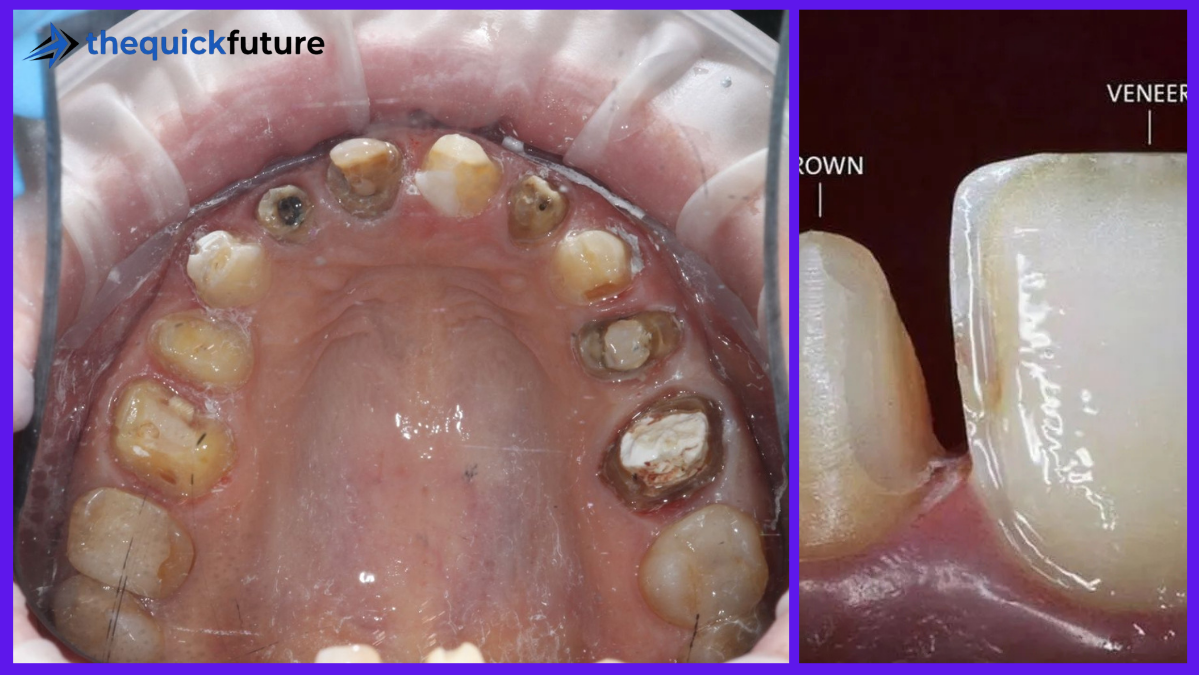
The phrase Turkey teeth gone wrong has become widely searched as cosmetic dental tourism continues to attract people looking for a brighter, straighter and more dramatic smile at a lower price. Social media is filled with impressive before-and-after transformations, but there are also stories from patients who experienced pain, poorly fitting crowns, damaged natural teeth, gum problems or expensive corrective treatment after returning home.
However, it is important to understand that dental complications are not automatically caused by having treatment in Turkey. Turkey has qualified dentists, modern facilities and established dental services. The safety and long-term success of cosmetic dentistry depend on factors such as the accuracy of the diagnosis, the treatment selected, the amount of healthy tooth structure removed, the clinician’s qualifications, the quality of materials and the availability of proper aftercare. Cosmetic dentistry can carry risks in any country, particularly when irreversible treatment is rushed or poorly planned.
What Does “Turkey Teeth” Actually Mean?
“Turkey teeth” is an informal phrase rather than a recognised dental procedure. It is generally used to describe cosmetic dental treatment received in Turkey, often as part of a dental tourism trip. Depending on the individual, treatment may involve veneers, crowns, composite bonding, whitening, implants, gum treatment or a combination of different procedures.
One major problem is that people sometimes use the words veneers and crowns interchangeably, even though they are different treatments. A veneer generally covers the visible front surface of a tooth, while a crown covers the entire tooth and usually requires substantially more preparation. Before agreeing to cosmetic treatment, patients should understand exactly which procedure is being recommended and why it is appropriate for their individual teeth.
Why Do Turkey Teeth Go Wrong?
Cases described as Turkey teeth gone wrong can have several different causes. One of the most serious concerns is unnecessary or excessive removal of healthy tooth structure. Tooth preparation is irreversible because natural enamel does not grow back. If a tooth is prepared aggressively for a restoration that was not clinically necessary, the person may face a lifetime of maintaining and replacing restorations.
Other problems can occur when treatment is based on a standard package rather than an individual examination. Every person’s teeth, gums, bite and oral-health history are different. A treatment plan that looks good in photographs may not be suitable for a particular patient. Proper assessment, including appropriate imaging and bite evaluation where clinically needed, helps identify problems that should be addressed before cosmetic work begins.
Excessive Filing of Healthy Teeth
One of the biggest concerns associated with cosmetic dental horror stories is excessive tooth preparation. Crowns require the underlying tooth to be shaped so that the restoration can fit over it. This can be appropriate when a tooth is severely damaged or otherwise requires full coverage, but placing crowns on healthy teeth purely for a rapid cosmetic transformation deserves careful consideration and a discussion of alternatives.
Removing excessive tooth structure may increase the risk of sensitivity and irritation or damage to the dental pulp. In some situations, the tooth may later require root canal treatment. Because the loss of natural tooth structure is permanent, patients should ask whether less invasive alternatives could realistically achieve their goals.
Poorly Fitting Crowns or Veneers
A restoration needs to fit correctly and work comfortably with the surrounding teeth and gums. Poorly fitting crowns or veneers may create areas that are difficult to clean or irritate the gum tissue. Problems around restoration edges can contribute to plaque accumulation, gum inflammation and recurrent decay.
Patients may also notice that food becomes trapped around restorations or that flossing feels unusually difficult. Persistent gum bleeding, swelling, bad breath or discomfort should not simply be ignored as part of the adjustment period. A dental professional should assess continuing symptoms to determine whether there is an underlying problem.
Tooth Sensitivity and Nerve Problems
Some temporary sensitivity after dental treatment can occur, especially after tooth preparation. However, severe, persistent or worsening sensitivity may need professional assessment. It can sometimes indicate inflammation of the tooth nerve, an issue with the bite or another dental complication.
If the dental pulp becomes severely damaged, root canal treatment may eventually be necessary. This is one reason why preserving as much healthy tooth structure as reasonably possible is an important principle in cosmetic dentistry.
Bite Problems and Difficulty Chewing
A cosmetic smile should not only look good—it should also function comfortably. If restorations change the way the upper and lower teeth meet, a person may experience discomfort when chewing or feel that one or more teeth are hitting first.
An unbalanced bite can also cause muscle discomfort in some people and increase the risk of chipping or damage to restorations. Patients should not feel pressured to accept a painful or uncomfortable bite simply because the cosmetic appearance looks attractive. Persistent discomfort should be reviewed by a dentist.
Gum Problems After Cosmetic Dental Treatment
Healthy gums are essential for the long-term success of crowns and veneers. Cosmetic work should not be used to hide untreated gum disease or other oral-health problems.
Poorly positioned or poorly fitting restorations may irritate the gums and make cleaning more difficult. Gum inflammation can lead to redness, tenderness, bleeding and swelling. For this reason, a full oral-health assessment should come before a major cosmetic transformation rather than being treated as an afterthought.
Crowns, Veneers and Other Restorations Can Fail
Even well-planned dental restorations do not last forever. Crowns and veneers may eventually require maintenance, repair or replacement. They can chip, crack, loosen or fail because of wear, trauma or repeated teeth grinding.
Patients considering extensive cosmetic work should therefore think beyond the initial price. Dental treatment can create long-term maintenance responsibilities, particularly when multiple teeth are restored. Choosing a treatment because it is cheap at the beginning may become costly if extensive repairs or replacements are needed later.
The Problem With Rushed Dental Timelines
Dental tourism often involves travelling abroad for a limited number of days, which can create pressure to complete treatment quickly. However, complex cosmetic work should be based on clinical needs rather than simply on the length of a holiday.
Patients should be cautious about promises that a major transformation will be completed extremely quickly without sufficient examination, planning or opportunities to assess the fit and bite. A good result requires more than producing a bright smile for photographs; it should also consider long-term oral health and function.
Lack of Aftercare Can Make Problems More Difficult
Aftercare is particularly important when treatment is received abroad. If a complication develops after the patient returns home, the original clinic may be thousands of miles away.
Before travelling, patients should ask what happens if a crown loosens, breaks or causes pain after they return home. They should also keep copies of their treatment plan, X-rays or other imaging, details of the materials used and information about the procedures performed. Clear records can help another dental professional understand the work that has already been completed.
The UK government also advises people considering medical or dental treatment abroad to research independently and discuss their plans with an appropriate clinician rather than relying only on promotional material from companies with a financial interest in booking the treatment.
Warning Signs That Your Turkey Teeth May Need Attention
Not every unusual feeling means that treatment has failed, but certain symptoms should be professionally assessed. Potential warning signs include:
- Persistent or worsening tooth pain
- Severe sensitivity to hot or cold temperatures
- Swollen, red or bleeding gums
- A crown or veneer that feels loose
- Difficulty biting or chewing normally
- A bite that suddenly feels uneven
- Food constantly becoming trapped around restorations
- Persistent bad breath or an unpleasant taste
- Cracked, chipped or damaged restorations
- Facial swelling or signs of infection
Severe pain, facial swelling, fever or difficulty swallowing should be treated as potentially urgent and assessed promptly by an appropriate medical or dental professional.
What Should You Do If Your Turkey Teeth Have Gone Wrong?
If you believe your dental work has gone wrong, the first step is to arrange a professional assessment. Avoid trying to remove, glue or repair a crown or veneer yourself.
A dentist may examine the restorations, gums and bite and determine whether imaging or other tests are required. Treatment will depend entirely on the cause of the problem. Some situations may require a relatively simple adjustment or repair, while more serious cases could require root canal treatment, replacement restorations, treatment for gum disease or other corrective procedures.
If possible, contact the original clinic and request copies of your dental records. However, do not delay urgent care while trying to resolve a dispute with a provider.
Can Turkey Teeth Gone Wrong Be Fixed?
In many cases, dental complications can be treated, but the solution depends on the amount of healthy tooth structure remaining and the nature of the problem. A loose restoration may be easier to address than a tooth that has developed severe decay, nerve damage or infection.
The more aggressively natural teeth have been altered, the more complicated future treatment can become. This is why prevention and conservative treatment planning are so important. Before undergoing extensive cosmetic dentistry, patients should understand that irreversible procedures may create long-term maintenance needs.
How to Avoid Turkey Teeth Going Wrong
The best way to reduce risk is to focus on clinical quality rather than choosing treatment based only on price, social-media marketing or the promise of a rapid transformation.
Get a Proper Dental Assessment
A treatment plan should be based on your actual oral-health needs. Ask whether your teeth and gums have been fully assessed and whether imaging is required before irreversible work begins.
Ask Exactly What Treatment You Are Receiving
Do not simply accept a package described as a “Hollywood smile.” Ask whether the treatment involves crowns, veneers, bonding, implants or another procedure. You should understand how much natural tooth structure will be altered.
Ask About Less Invasive Alternatives
Depending on the individual situation, alternatives might include whitening, orthodontics, composite bonding or more conservative cosmetic approaches. Not every option is suitable for every patient, but alternatives should be discussed before healthy teeth are permanently altered.
Research the Dentist and Clinic Carefully
Look beyond influencer videos and promotional before-and-after photographs. Find out who will actually carry out your treatment, what their qualifications are and whether the facility is appropriately authorised for the services being offered.
The UK government’s travel advice notes that standards and facilities can vary and recommends independent research. It also points prospective medical tourists towards approved providers listed through Türkiye’s health-tourism system, while making clear that government travel advice does not endorse individual practitioners or facilities.
Ask About Materials and Documentation
Patients should know what materials are being placed in their mouths and should request clear documentation of the treatment performed. These records can be valuable for future maintenance or corrective treatment.
Have a Realistic Aftercare Plan
Before travelling, consider what will happen after you return home. Cosmetic dental work may require check-ups, cleaning, repairs or replacement in the future.
Is It Safe to Get Dental Work in Turkey?
It would be misleading to say that dental treatment in Turkey is automatically unsafe. Turkey has qualified dental professionals and modern healthcare facilities, and many people receive successful treatment there. Equally, complications can occur anywhere when diagnosis is poor, treatment is inappropriate or aftercare is inadequate.
The key question should therefore not simply be, “Is Turkey safe for teeth?” A better question is whether a particular clinic has properly assessed your individual needs, explained the treatment clearly, considered less invasive options and provided a realistic plan for long-term care.
The Real Cost of Cheap Cosmetic Dentistry
A lower upfront price can be attractive, but cosmetic dentistry should be viewed as a long-term healthcare decision rather than a holiday purchase. If treatment fails, the cost of diagnostic appointments, emergency care, root canal treatment, replacement crowns, gum treatment or other corrective work can significantly increase the overall expense.
Before accepting a package, patients should consider travel costs, accommodation, time away from work, future maintenance and the potential cost of dealing with complications at home. The cheapest option at the beginning may not necessarily be the best value over many years.
Final Thoughts on Turkey Teeth Gone Wrong
Stories about Turkey teeth gone wrong should encourage informed decision-making rather than create the impression that every dentist or clinic in Turkey provides poor treatment. The most important issues are careful diagnosis, appropriate treatment selection, preservation of healthy tooth structure, qualified clinicians, good materials and reliable aftercare.
A dramatic cosmetic transformation may be appealing, but dental treatment should never be chosen purely because it is fast, cheap or popular on social media. Ask questions, understand whether you are receiving crowns or veneers, explore alternatives and seek independent professional advice when considering extensive irreversible treatment. A healthy smile is not only about how white it looks—it should also be comfortable, functional and designed with long-term oral health in mind.
FAQs About Turkey Teeth Gone Wrong
What does “Turkey teeth gone wrong” mean?
Turkey teeth gone wrong is an informal phrase used to describe disappointing or problematic cosmetic dental treatment received in Turkey. It may involve issues such as excessive tooth preparation, persistent pain, gum irritation, poorly fitting crowns or veneers, bite problems or restorations that fail prematurely.
Are Turkey teeth dangerous?
Dental treatment in Turkey is not automatically dangerous. The risks depend on the procedure, the patient’s oral health, the quality of diagnosis and planning, the clinician’s qualifications and the availability of follow-up care. Crowns and veneers can also carry risks when performed in other countries.
Can Turkey teeth cause nerve damage?
Aggressive tooth preparation can irritate or damage the dental pulp in some cases. Persistent or worsening sensitivity should be assessed by a dentist, and severe nerve damage may sometimes require root canal treatment.
What should I do if my crowns hurt after getting Turkey teeth?
Persistent, severe or worsening pain should be assessed by a qualified dental professional. The cause could involve the bite, the tooth nerve, the gums or another problem, and treatment depends on the underlying diagnosis.
Can Turkey teeth be repaired or replaced?
Yes, many complications can potentially be treated, but the solution depends on the specific problem and the condition of the underlying teeth and gums. Some cases may require simple adjustments, while others may require more extensive restorative or dental treatment.
How can I avoid Turkey teeth going wrong?
Choose a clinic based on clinical standards rather than price alone. Get a proper assessment, ask exactly whether you are receiving crowns or veneers, discuss less invasive alternatives, research the treating dentist, request written documentation and make sure you have a realistic plan for aftercare.
Read more: What Is Flamingo Land Loch Lomond?